A 2026 guide to what zero-click search means, why it keeps rising, and how to stay visible when most searches never send a click.
Picture this. A customer pulls out their phone and Googles your service. They read the answer at the top of the page. Then they lock the phone and move on. They never clicked a single link, not yours, and not your competitor’s.
Welcome to the zero-click search era.
In 2026, about 68% of Google searches now end with no click at all. So the old goal of “rank number one and win the click” no longer works the way it used to. In this guide, you will learn what drives zero-click behavior in SEO and how to stay visible anyway.
Table of Contents
What Is Zero-Click Behavior?
A zero-click search happens when someone gets their answer right on the results page. They do not visit any website. Google reads the search intent and answers it on the spot. This pattern is called zero-click behavior, and it is now the norm rather than the exception.
For example, common zero-click behavior examples include:
- Featured snippets that answer a question inside a box
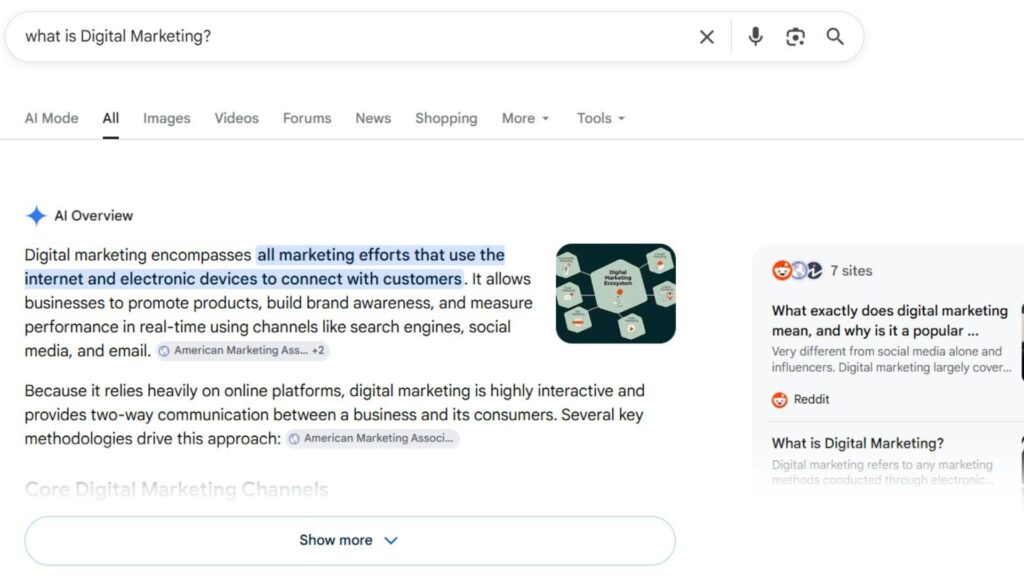
- Google AI Overviews that summarize several sources at once
- Knowledge panels for brands, people, and places
- Local map packs with hours, ratings, and directions
- Instant answers for weather, scores, and quick math
Each feature gives the user what they want fast. As a result, the click to your website simply disappears.
Why Zero-Click Searches Are Increasing
This trend is not slowing down. In fact, it is speeding up. A decade ago, about 45% of Google searches were zero-click. Today that figure sits near 68%.
Two forces are driving the shift.
First, Google keeps adding answer features. AI Overviews launched in May 2024. By 2026, they will appear on more than 30% of searches, up from about 13% in early 2025.
Second, people love instant answers. Mobile users skip the click most of all. So Google serves quick results to keep them on the page. On top of that, traffic from AI tools has jumped more than 500% in a year, which pushes Google to answer even more queries itself.
The zero-click behavior statistics tell the story clearly.
| Search signal | 2024 | 2025 | 2026 |
| Google searches with no click | ~60% | ~65% | ~68% |
| AI Overviews shown on searches | Launched (May) | 13–18% | 30%+ |
| News searches ending zero-click | 56% | 69% | Still rising |
In short, the results page is now the destination, not the doorway. Analysts at Gartner even expect traditional search traffic to fall about 25% by the end of 2026.
Zero-Click Behavior and Google AI Overviews
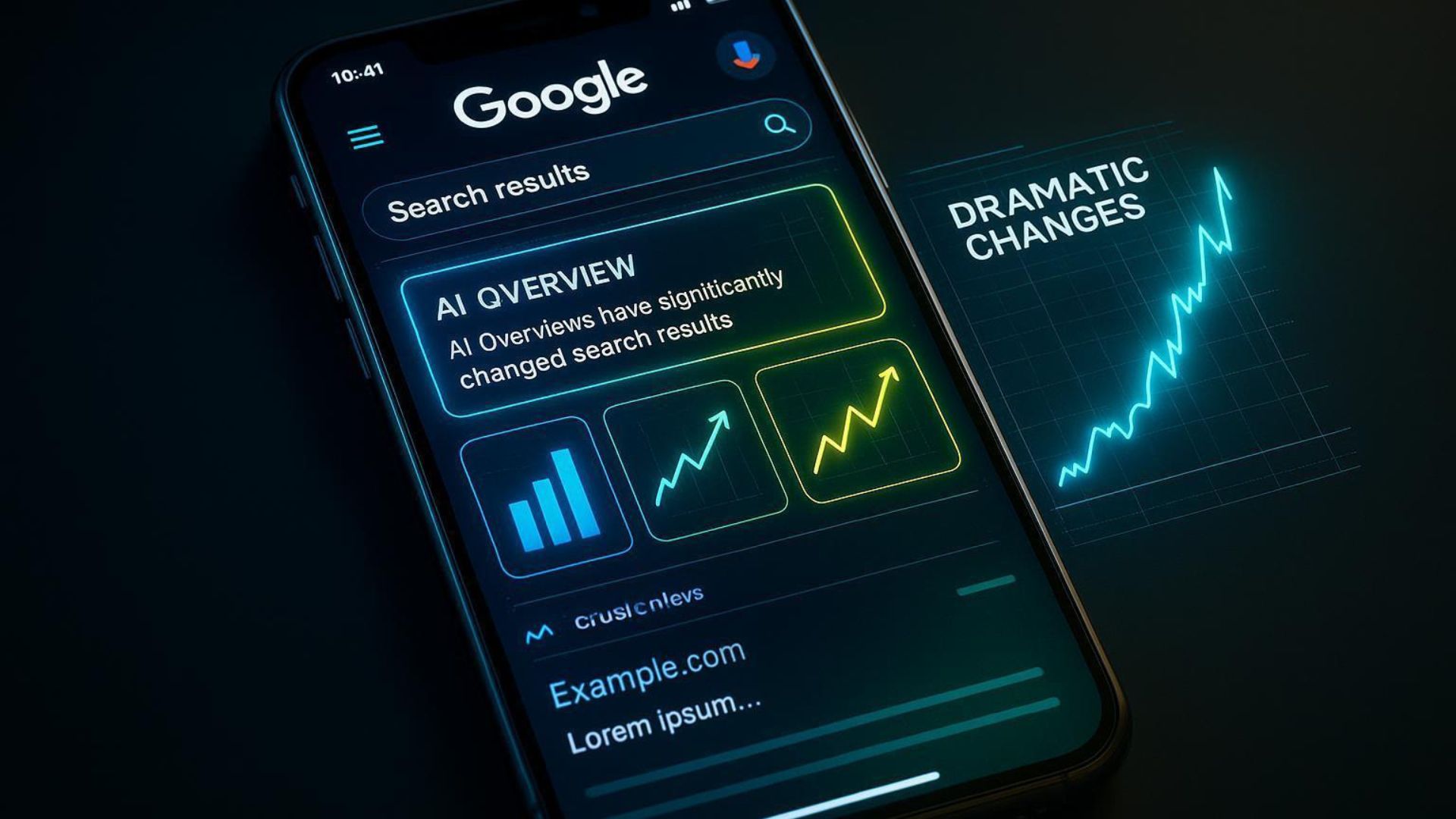
Google AI overviews sit at the center of this shift. They pull facts from several pages, then write one answer on top of the results. As a result, the user reads the summary and often stops there.
The data backs this up. A 2025 Pew Research study found that people click a website link only 8% of the time when an AI overview appears. Without one, that number is 15%. Moreover, about 26% of these searches end the session right away.
In other words, AI Overviews do not simply move clicks around. Instead, they pull many users out of the search funnel for good. Most of these answers also cover informational queries, so guide and blog content feels the hit first.
The Real Pain Point: Your Traffic Is Leaking
Here is the part that stings. You can still rank well and lose visitors anyway. When an AI overview appears, far fewer people click through to any site.
- The impact of zero-click behavior on organic traffic is real:
- Organic click-through rates fall by up to 61% when an AI overview shows.
- Paid ad click-through rates drop about 68% on the same queries.
- Position-one traffic can be cut by more than half once an AI overview appears.
- Many informational sites have lost 18% to 44% of their traffic year over year.
- News publishers lost roughly 26% of organic visits in a single year.
So your rankings can look healthy, while your visits quietly fall. That gap is the core problem for businesses right now. Therefore, you need a plan built for a world where the click is optional.
How to Optimize for Zero-Click Searches
Still, the good news is simple: you can adapt. A smart zero-click SEO strategy aims for visibility, not just clicks. In practice, that means feeding Google and AI tools the clean answers they want to show. Here are five steps that work in 2026.
1. Win the featured snippet. Answer the main question in the first two lines. Use short, clear sentences that Google can lift into a box.
2. Add schema markup. Structured data helps Google and AI tools understand your pages. It also lifts your odds of rich results and citations.
3. Optimize your Google Business Profile. For local searches, the map pack is prime zero-click space. Keep your hours, photos, and reviews fresh and accurate.
4. Build for AI Overviews. Use strong E-E-A-T signals, first-hand experience, and direct answers. This is the heart of how to rank in AI Overviews and generative engine optimization (GEO).
5. Change how you measure success. Track brand mentions, citations, and conversions, not just raw clicks. Brands cited in AI Overviews and ChatGPT see about 35% more organic clicks and much higher conversion rates.
Put simply, zero-click search optimization turns lost clicks into brand visibility. You show up in the answer, so you win trust even before the visit. Meanwhile, your competitors who chase clicks alone slowly fade from view.
Does Technical Kalyan Help With This?
Yes, this is exactly what we do. Technical Kalyan is a Local SEO and AI search specialist that helps businesses stay visible in the zero-click era. We handle featured snippet optimization, schema markup, Google Business Profile, AI overview and GEO strategy, and clear monthly reporting, all in one place.
Want to see where your site stands today? Get your free SEO & AI Search audit, with no pitch and no pressure.

Kolkata-based SEO consultant and AI Search specialist with 7+ years of experience helping businesses improve their online visibility and organic growth. He specializes in Local SEO, Google Business Profile optimization, AEO, and GEO. With 70+ successful projects across India and international markets, Kalyan helps businesses build stronger visibility across Google Search, Google Maps, ChatGPT, Perplexity, Gemini, Claude, and other AI-powered search platforms. Through Technical Kalyan, he focuses on practical, sustainable search strategies that help local and service-based businesses attract more relevant customers and stay competitive as search continues to evolve in the AI era.